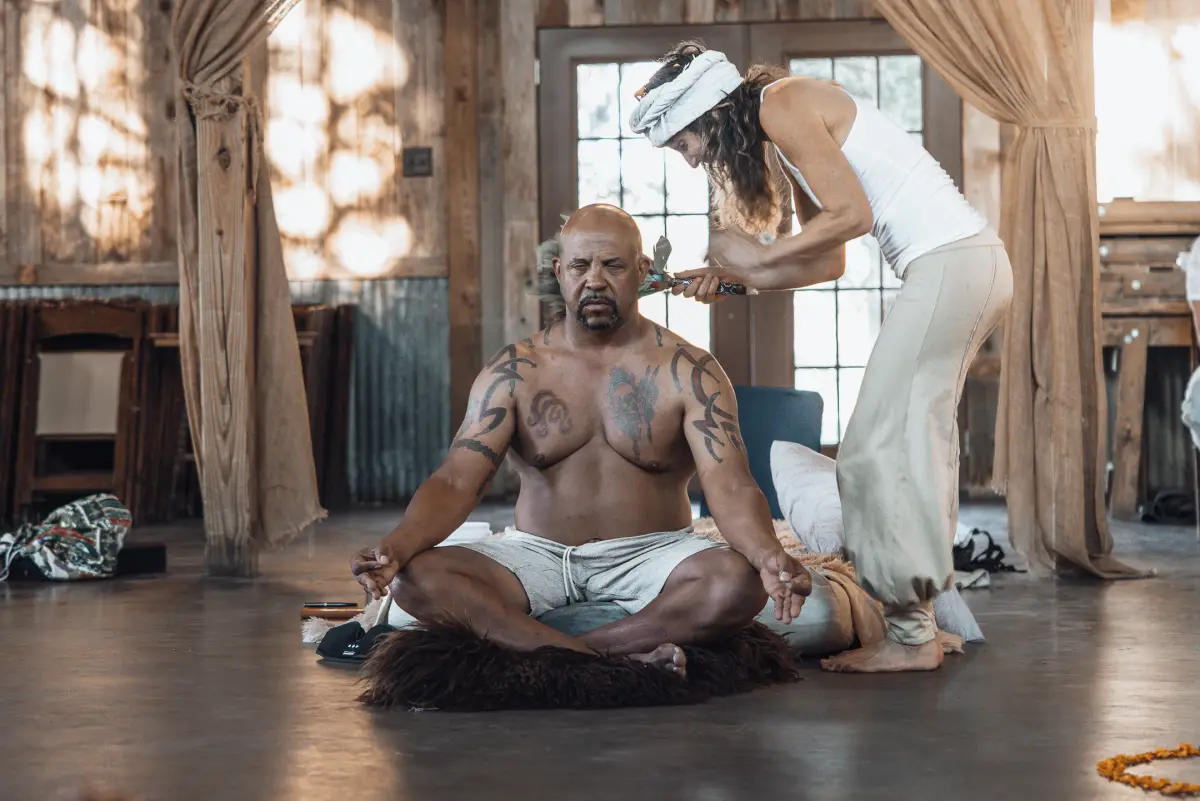


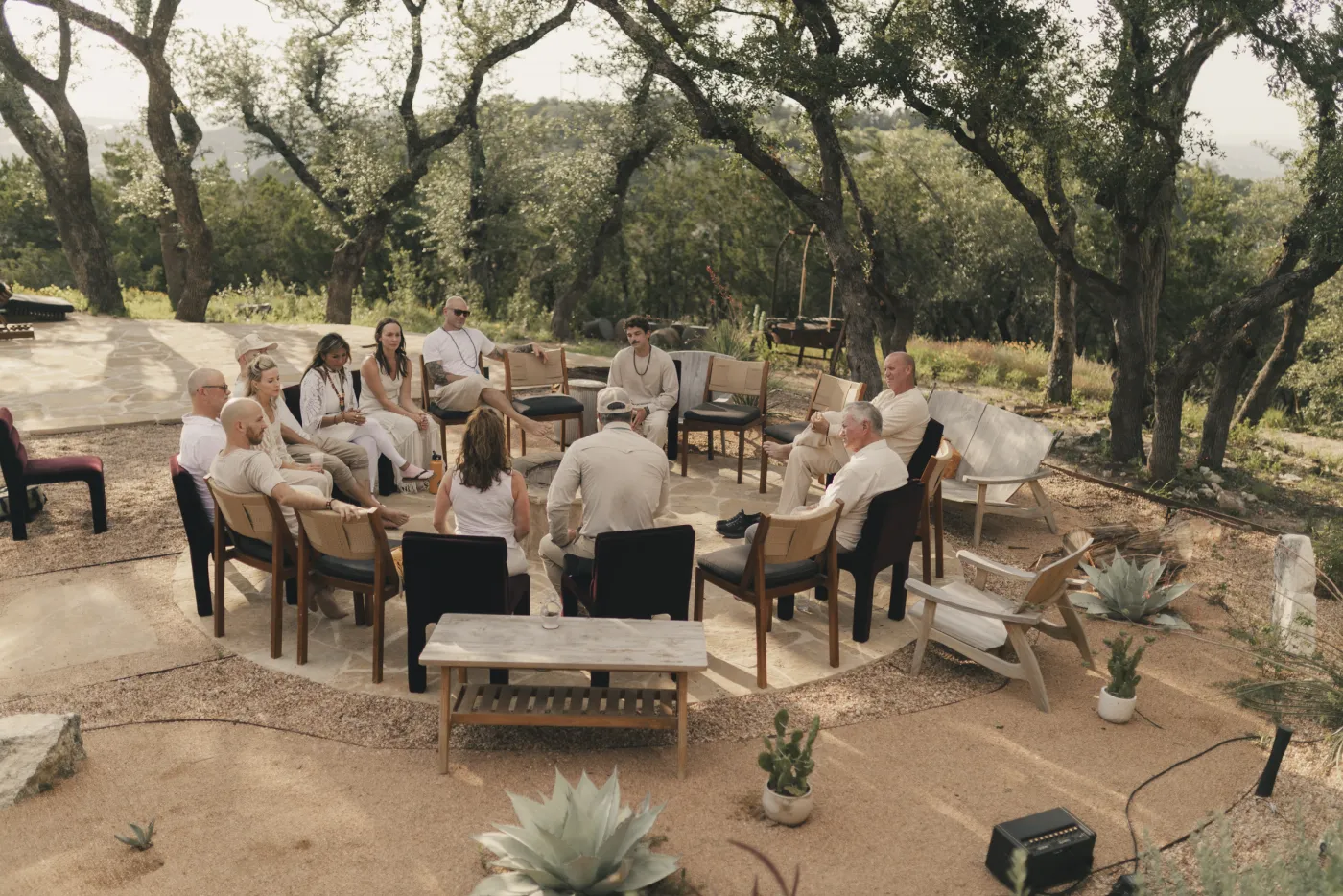

Many people have meaningful experiences with ibogaine abroad. The biggest gap is usually what happens around the ceremony: little preparation before you arrive, and little integration once you're home. Without both, many people slide back into old patterns within months. Today you also have the option to do this work in the U.S., with both built in.
Why so many people go abroad
For more than two decades, ibogaine has been easier to find outside the U.S. than inside it. Centers in Mexico, Costa Rica and elsewhere opened their doors when few others would, and many veterans and first responders first heard about ibogaine from someone who made that trip.
That history matters, and we respect the people who built it. But if you're weighing your options, it helps to know what traveling for ibogaine actually involves.
1. Little or no preparation
Many overseas programs begin when you land. You may have a phone screening and a few emails, then arrive days later and go into ceremony.
Ibogaine tends to bring up a lot: memories, old patterns, things you've carried for years. Preparation is what helps you meet that with intention and get the most from the experience. That means weeks of work beforehand, not one conversation the night before.
2. Support often ends at the airport
The weeks after an ibogaine ceremony are when most of the real work happens. Old habits come back, insights fade, and life at home picks up right where it left off.
Many programs abroad offer little or no structured integration once you fly home. Without it, it's common for people to slide back into the same patterns they went abroad to leave behind, sometimes within weeks. Not because the ceremony didn't matter, but because nothing was there to help it take root.
If you don't build new beliefs, new patterns, and new habits, your old programming will eventually take over again.
Justin LaPree, founder
3. The trip home comes at the hardest time
Ibogaine is one of the most physically demanding sacraments there is. It can affect heart rhythm, and fatigue, dizziness and trouble with coordination can last for days afterward.
When you go abroad, the end of your retreat usually means airports, security lines and a long flight, right when your body and mind most need rest. Ask any provider's medical team how long they recommend waiting before you travel, and plan around their answer.
4. Standards vary widely
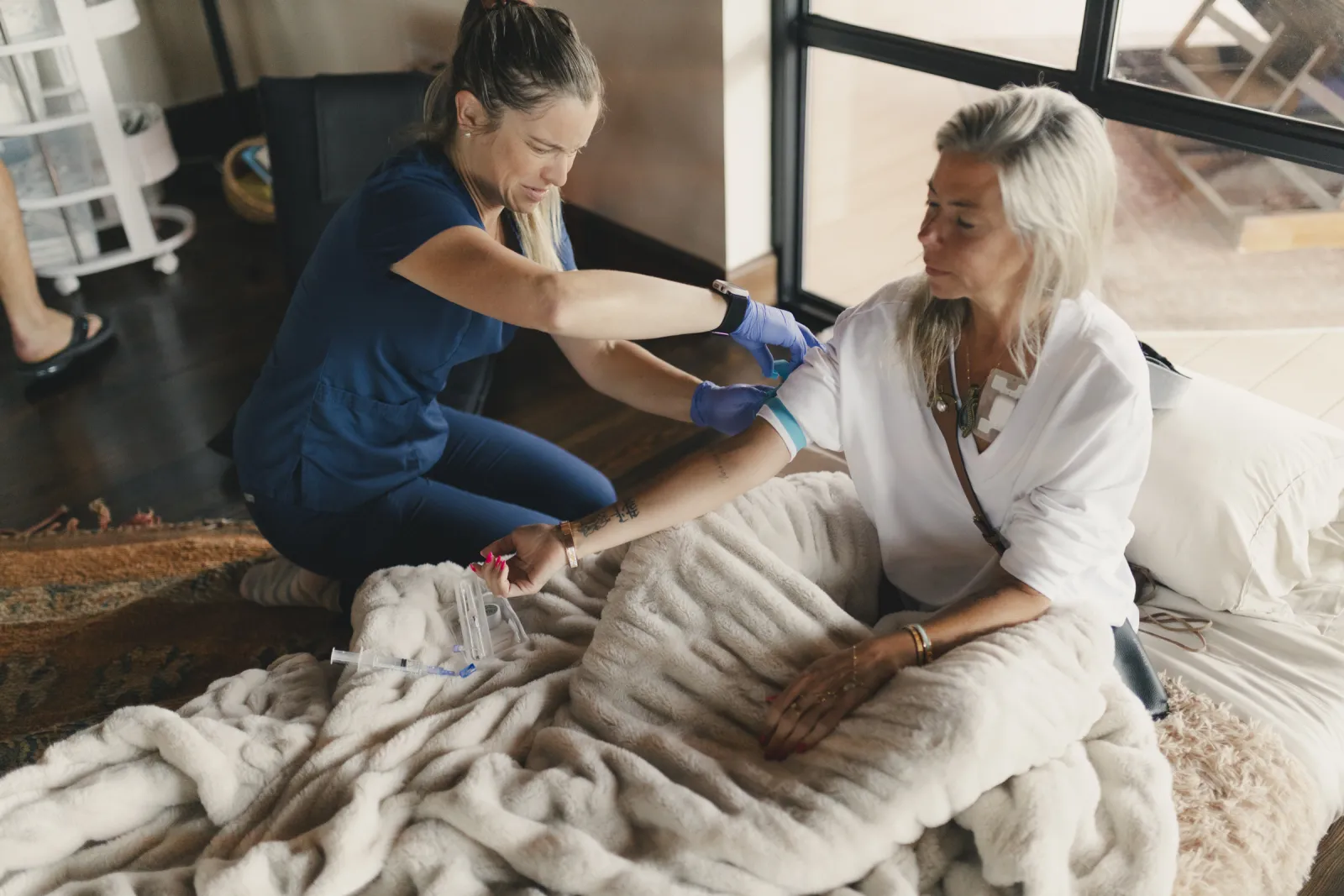
There is no shared standard for how ibogaine centers screen, monitor and staff their ceremonies. Some are excellent. Others cut corners that aren't easy to spot from a website. From another country, it's hard to check credentials, visit beforehand or know who will actually be in the room.
Emergencies are also harder abroad. It's worth asking how far the nearest hospital is, whether staff speak your language, and what happens if something goes wrong.
5. Your family is left out
The people closest to you will feel the changes too. When the work happens in another country, they rarely get a way into it. They hear about it afterward, and often don't know how to help.
6. The real cost is more than the program fee
Flights, extra nights of lodging, travel insurance, time off work and a recovery day or two before you can fly can add up fast. Compare the full picture, not just the price on the website.
Questions to ask any provider abroad
Before you book
- What preparation do I do before I arrive, and for how many weeks?
- Who screens me, and what heart testing do you require before I arrive?
- Who is in the room during ceremony, and what are their credentials?
- How is my heart monitored, and for how long?
- How far is the nearest hospital, and what is your emergency plan?
- How long should I wait before flying home?
- What support do I get once I'm home, and for how many weeks?
- Is there anything for my family?
Doing this work closer to home
The Illuminating Co. is a veteran-founded entheogenic church in Lakeway, Texas. We built the Rite of Rebirth so people wouldn't have to choose between this work and having support close by. Here, preparation and integration aren't extras. They're most of the path.
Our team includes a physician and an ER nurse, and screening, heart monitoring and medical support are part of every Wisdom Ceremony. Our Family Matters program supports the people you love, too. Read more in Where Can You Do Ibogaine in the United States?
Common questions
Why do people go to Mexico for ibogaine?
For many years it was the easiest place to find. Today there are options in the U.S., including our ceremonies in Lakeway, Texas.
Is it hard to travel after ibogaine?
It can be. Ibogaine is physically demanding, and many people feel tired or unsteady for days. Ask your provider's medical team how long to wait before traveling.
What happens after the ceremony?
At The Illuminating Co., the ceremony is followed by 12 weeks of integration, including integration support, community connection and a 12-week microdosing protocol.
Can my family be involved?
Yes. Our Family Matters program supports the people closest to you through the process.
Thinking about ibogaine? Talk to us first.
A no-pressure call to answer your questions and see whether our practice is right for you.